5 Days in Tanzania: Serengeti National Park & Ngorongoro Crater Safari
Ngorongoro Crater and the Serengeti's year-round game on a guided 4x4 safari, with a real chance of seeing the Big Five. Early starts expected.
Ngorongoro Crater and the Serengeti's year-round game on a guided 4x4 safari, with a real chance of seeing the Big Five. Early starts expected.
Most international flights land at Kilimanjaro International Airport (JRO), about 45 minutes from Arusha. Neither the Serengeti nor Ngorongoro allow self-drive visits: every park entry runs through a licensed guide-driver in a permitted 4x4, so this trip works best booked as one bundled ground package rather than piecing together each leg yourself.
✈️ Kilimanjaro Intl Airport (JRO) 💵 ~$50-70 private transfer 🕐 Most international flights land early afternoonThe route climbs the Rift Valley escarpment through Mto wa Mbu toward Karatu, gateway to the Ngorongoro Conservation Area, where Maasai communities still graze cattle within the protected area under a multiple-land-use agreement. A visit arranged through your guide, with the entry fee going directly to the community, is a genuine cultural exchange rather than a staged photo stop: ask before photographing anyone, and let your hosts lead the conversation.
🚗 ~3-3.5 hr drive, ~180 km 💵 ~$20-30pp village visit, paid direct to community 🕐 Depart Arusha by late morningLodges here sit right on the crater rim at roughly 2,200 meters, cool enough at night to need a fleece even after a hot lowland day, with the caldera floor visible from the terrace as the light fades. It's worth arriving with enough daylight left for that first rim view before dinner.
🚗 ~30 min to the rim lodges 💵 Included in lodge stay 🕐 Arrive before sunset for the rim viewpointThe steep switchback descent drops about 600 meters onto a caldera floor that never empties out, since most resident wildlife has no reason to migrate. This is one of the best remaining places to spot the black rhino, the hardest member of the "Big Five," a term coined by 19th-century hunters for the five most dangerous animals to track on foot (lion, leopard, elephant, buffalo, rhino) that safari guides now use as shorthand for a great trip, not a checklist to tick off.
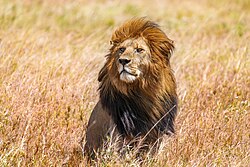
🚙 ~45 min descent, guided 4x4 only 💵 ~$70-90pp conservation & crater service fees 🕐 Gates open 6 AM; arrive early for the best lightLake Magadi, the shallow soda lake at the crater's center, regularly draws thousands of flamingos, while the surrounding short grass gives crater lion prides almost nowhere to hide when they hunt, making this one of the most reliable big-cat viewing grounds on the whole trip.
🦩 Lake Magadi & the Ngoitokitok springs 💵 Included in the day's crater fee 🕐 Midday into early afternoonThe climb back up the rim road connects to the drive west through Naabi Hill Gate, the Serengeti's southeastern entrance. "Serengeti" comes from the Maasai word siringet, "the place where the land runs on forever," and the name earns itself the moment the plains open up on the far side of the gate.
🚗 ~3 hr drive via Naabi Hill Gate 💵 Separate Serengeti park fees apply, ~$70-80pp/day 🕐 Depart the crater rim by early afternoonBig cats hunt and move most in the cool hours around sunrise, before the heat sets in, so the central Seronera area's dawn drives are consistently the best chance at lion and, with real luck, a hunt in progress. Seronera holds resident wildlife year-round regardless of where the migration itself currently is.
🚙 ~3 hr game drive 💵 Included in park fees/camp package 🕐 Depart camp by 6:30 AMMost wildlife rests through the midday heat, so this is the natural pause for lunch and a break at camp. It's also when guides tend to unpack the Big Five properly: leopards are the most elusive of the five by far, usually spotted draped over a tree branch digesting a kill rather than out in the open, so a sighting here is never guaranteed on any single drive.
🌳 Optional short walk or rest at camp 💵 Free / included 🕐 Midday, the hottest hoursWildlife activity picks back up as the heat breaks, and elephant herds moving toward water in the low, warm light make for a completely different drive from the morning's cat-focused outing. Return to camp is usually just after dark.
🚙 ~2.5-3 hr game drive 💵 Included 🕐 Depart camp ~4 PM, return after darkA pre-dawn pickup leads to roughly an hour drifting silently over the plains as the Serengeti wakes up beneath you, a genuine bucket-list add-on that's pricier than anything else on this trip and firmly optional. Balloons launch weather-permitting and fill up fast in peak months, so book this one as early as possible; landings end with a champagne bush breakfast set up on the plains.
🎈 ~1 hr flight + bush breakfast 💵 ~$550-600pp, optional add-on 🕐 Pickup around 5 AMCheetahs favor the flattest, most open ground, since their hunting style depends on pure sightlines and speed rather than the cover lions and leopards use, so this afternoon's drive works the open plains specifically. Guides keep to designated tracks and stay inside the vehicle everywhere except a handful of marked spots; that rule exists because it's how everyone, wildlife included, stays safe.
🚙 Regular or optional afternoon drive 💵 Included 🕐 Afternoon, flexible timingWith no significant light pollution for hundreds of kilometers, camps here offer some of the clearest night skies left on the continent; guides can usually point out the Milky Way's core and the Southern Cross on a clear, moonless night, especially in the dry-season months when the sky itself tends to be at its most transparent.
🔭 After dinner, weather permitting 💵 Included in camp stay 🕐 Once fully dark, roughly 8-9 PMAn early last drive is often the best of the trip, since there's no set agenda beyond following whatever the guide's radio network turns up. It's a natural moment to run through the group's own Big Five tally, and giraffe, buffalo, and elephant sightings are close to guaranteed even on a quiet morning.
🚙 ~2-3 hr final game drive 💵 Included 🕐 Early start, before breakfastThe return retraces the route back through the Ngorongoro highlands and the Rift Valley wall to Arusha, roughly 5-6 hours by road. Scheduled light-aircraft flights from Serengeti airstrips cut that to about 90 minutes for travelers willing to pay a real premium for the time saved.
🚗 ~5-6 hr drive (or ~1.5 hr flight) 💵 Flight option ~$250-350pp extra 🕐 Depart camp after breakfastA short transfer back to JRO closes the loop for an evening international departure. Most long-haul connections route through Amsterdam, Doha, Nairobi, or Addis Ababa, so double-check your specific routing's transit-visa rules before you fly.
✈️ Kilimanjaro Intl Airport (JRO) 💵 ~$50-70 transfer 🕐 Arrive 3 hrs before an international flightPark and conservation fees are largely per-person, but the vehicle and guide are usually priced per group, so splitting a 4x4 with two or three other travelers cuts the per-person ground cost noticeably.
It's the single most expensive add-on on this trip and doesn't add wildlife you can't also see from the ground; skip it without guilt if the budget's tight, and put the savings toward an extra night.
June and early November often deliver dry-season game viewing at meaningfully lower lodge rates than the absolute peak crossing months.
Vehicles line up at the gate before it opens; being first in usually means the crater floor's best light and quietest wildlife encounters before the day's other vehicles arrive.
Seronera draws the most vehicles; a guide willing to work the quieter western or southern tracks on a given day often turns up cats with far less competing traffic.
Step a short, guide-approved distance from camp lighting after dinner; even a few minutes of dark adaptation makes a dramatic difference to how much of the Milky Way is visible.